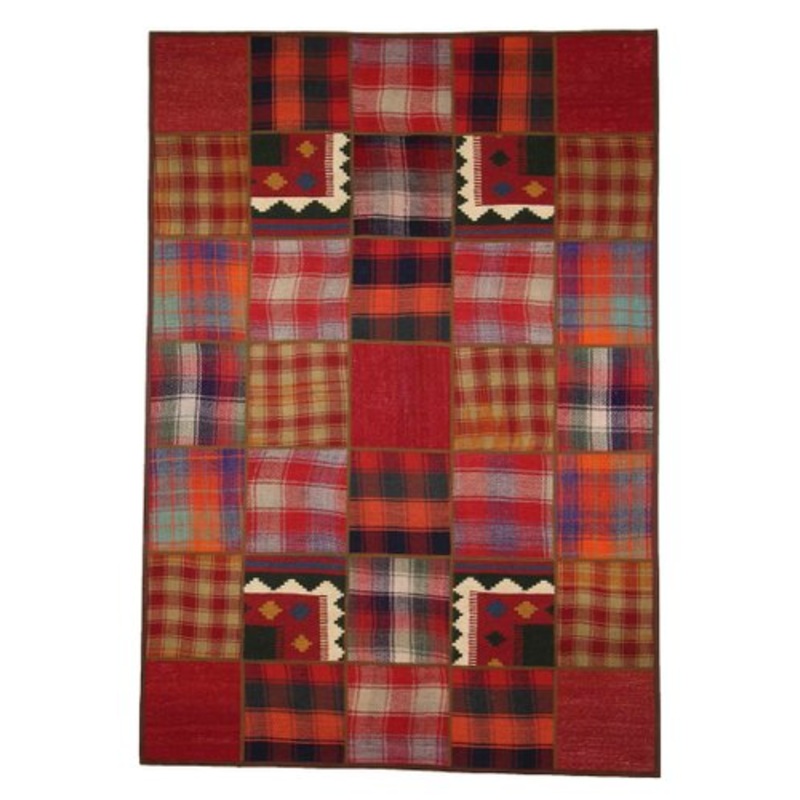
Patchwork kilim rug | Size: 240 x 173 cm | Material: Hand-woven kilim pieces and fleece | Condition: New | Unique, modern design by reusing old rugs | Non-slip base for a secure hold Authentic Middle Eastern rug - traditional handicrafts for your home A re
Patchwork kilim rug | Size: 240 x 173 cm | Material: Hand-woven kilim pieces and fleece | Condition: New | Unique, modern design by reusing old rugs | Non-slip base for a secure hold Authentic Middle Eastern rug – traditional handicrafts for your home A real Middle Eastern rug is more than just a floor covering; it is a piece of history that adds warmth and style to any room. The origin of these unique rugs lies in Middle East, where they have been hand-knotted using traditional methods for centuries. with intricate designs and a variety of patterns that often reflect cultural and geographical influences, Middle Eastern rugs are a symbol of exquisite craftsmanship and attention to detail. The materials used to make these rugs are as important as their patterns. A high-quality Middle Eastern rug is usually made of 100% virgin wool or silk, which not only makes it extremely durable, but also pleasantly soft underfoot. Wool also has the ability to store heat and regulate moisture at the same time, which contributes to a pleasant indoor climate. These rugs are available in a variety of sizes – from small runners to large room rugs that fit perfectly in spacious living rooms. A distinctive feature of Middle Eastern rugs is the complex patterns, which often feature floral, geometric or medallion-like designs. These patterns are not only aesthetically pleasing, but also tell stories and pass down cultural traditions. Popular regions of origin for Middle Eastern rugs include Isfahan, Tabriz and Kashan. Each of these regions has its own specific patterns and colors that give the rugs their unique character. The condition of a Middle Eastern rug is also crucial; well-preserved examples can last for many years and even decades while increasing their value. Another advantage of Middle Eastern rugs is their versatility. They fit into both classic and modern interior styles and can add a touch of elegance to any room. Whether in the living room, bedroom or hallway – a Middle Eastern rug is always an eye-catcher and at the same time offers a cozy atmosphere. They are also easy to care for; Regular vacuuming and occasional cleaning are enough to maintain the beauty of the carpet. When you choose a Middle Eastern rug, you are investing in a timeless work of art that can last for generations. These rugs are not only functional, but also an investment and an heirloom that can be passed down from generation to generation. The combination of tradition, craftsmanship and quality makes every Middle Eastern rug a distinctive piece of furniture. Similar rug patterns and rug types from the same region Apart from classic Middle Eastern carpets, there are many similar types of rugs that come from the same region and are also known for their quality and beauty. These include, for example, kilim carpets, which are made in Middle East, similar to Middle Eastern carpets, but are made of flat-woven fabrics and often feature vibrant colors and geometric patterns. Another example are the Gabbeh carpets, which come from the Fars region and are characterized by their simple, often abstract designs and bold colors. These rugs are particularly popular with lovers of minimalist furnishings. In addition, the rugs from well-known manufacturers such as Nain and Qum are highly valued. Nain rugs combine wool with silk and are characterized by fine, detailed patterns and a high knot density, while Qum rugs often feature exquisite designs and vibrant colors. Both manufacturers stand for the highest quality and craftsmanship and are an excellent choice for anyone who appreciates the beauty of oriental carpets. FAQ about Middle Eastern rugs What is the difference between a Middle Eastern rug and a Kilim carpet? The main difference lies in the production: Middle Eastern rugs are knotted, while kilim rugs are woven. As a result, Middle Eastern rugs often have a higher knot density and are thicker, while kilim rugs are flatter and lighter. How do I properly care for my Middle Eastern carpet? To extend the life of your Middle Eastern rug, vacuum it regularly to remove dirt and dust. Occasional cleaning by a professional is also recommended to maintain the colors and texture of the carpet. Can I place my Middle Eastern rug under direct sunlight? It is recommended to avoid direct sunlight as this may fade the colors of the carpet. If possible, they should be placed in areas with indirect lighting to preserve color intensity.
| Production Period | Unknown |
|---|---|
| Style | Vintage |
| Detailed Condition |
Very Good This vintage/antique item has no defects, but it may show slight traces of use. |
| Product Code | SZS-2143325 |
| Materials | Wool |
| Width |
173 cm 68.1 inch |
| Height |
240 cm 94.5 inch |
| Weight Range | Standard Between 40kg and 80kg |
| Duties Notice | Import duty is not included in the prices you see online. You may have to pay import duties upon receipt of your order. |
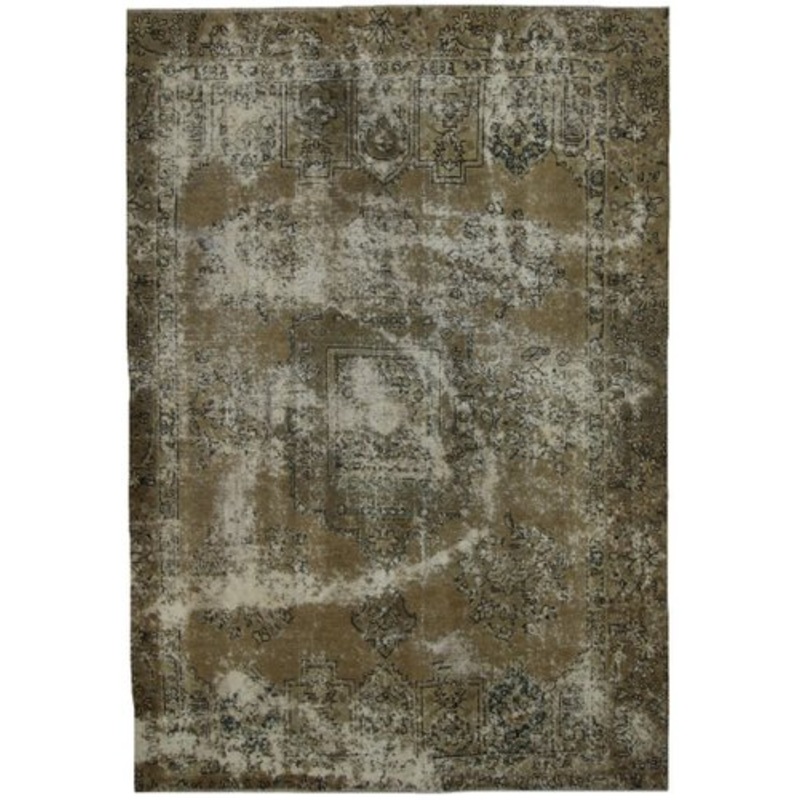
Copyright © 2026 .All Rights Reserved.Powered by www.beautifyhomeb.com



Reviews
There are no reviews yet.